Alghero DOC · Vermentino · Cannonau
What to drink
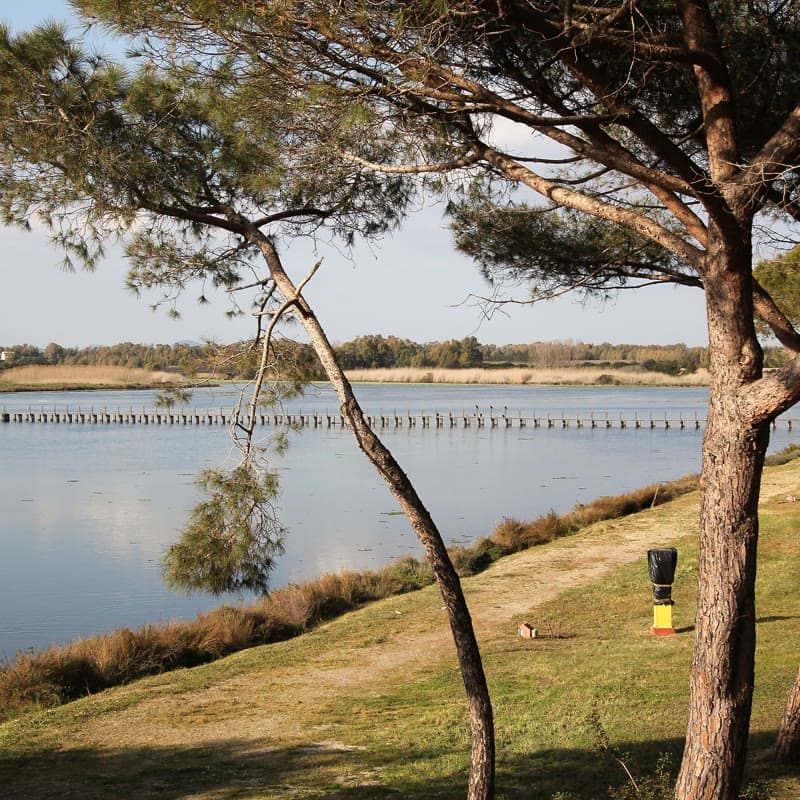
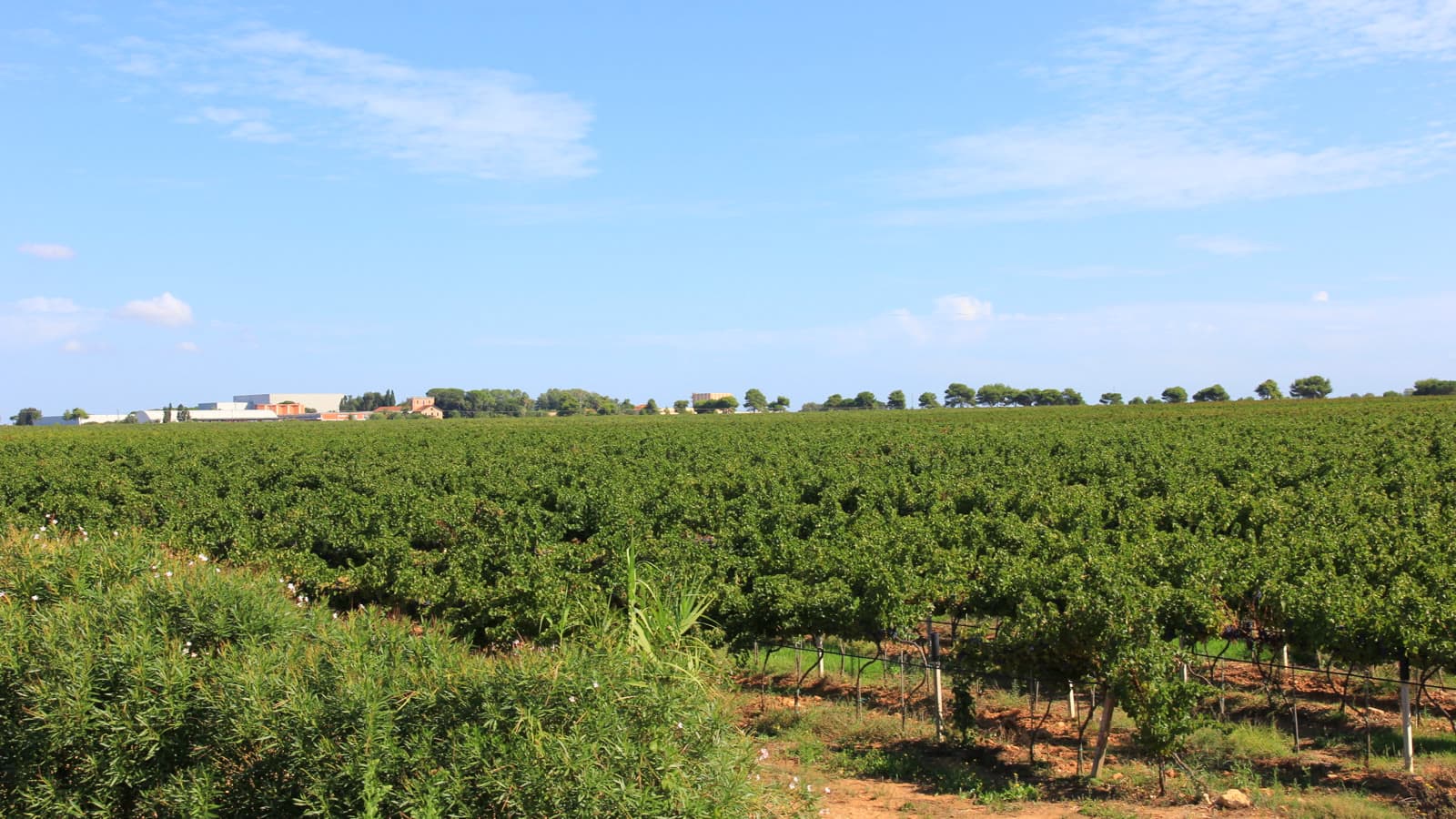
The plain behind Alghero — the Nurra, limestone and low — is one vineyard after another, and it has a denomination of its own. Alghero DOC, approved in 1995, admits eight varieties, but the one that matters is Torbato: a white grape grown almost nowhere else on earth. It arrived in the Catalan-Aragonese centuries, was shipped to the Aragonese court, and was very nearly lost in the twentieth century. The planted area is still under a hundred hectares.
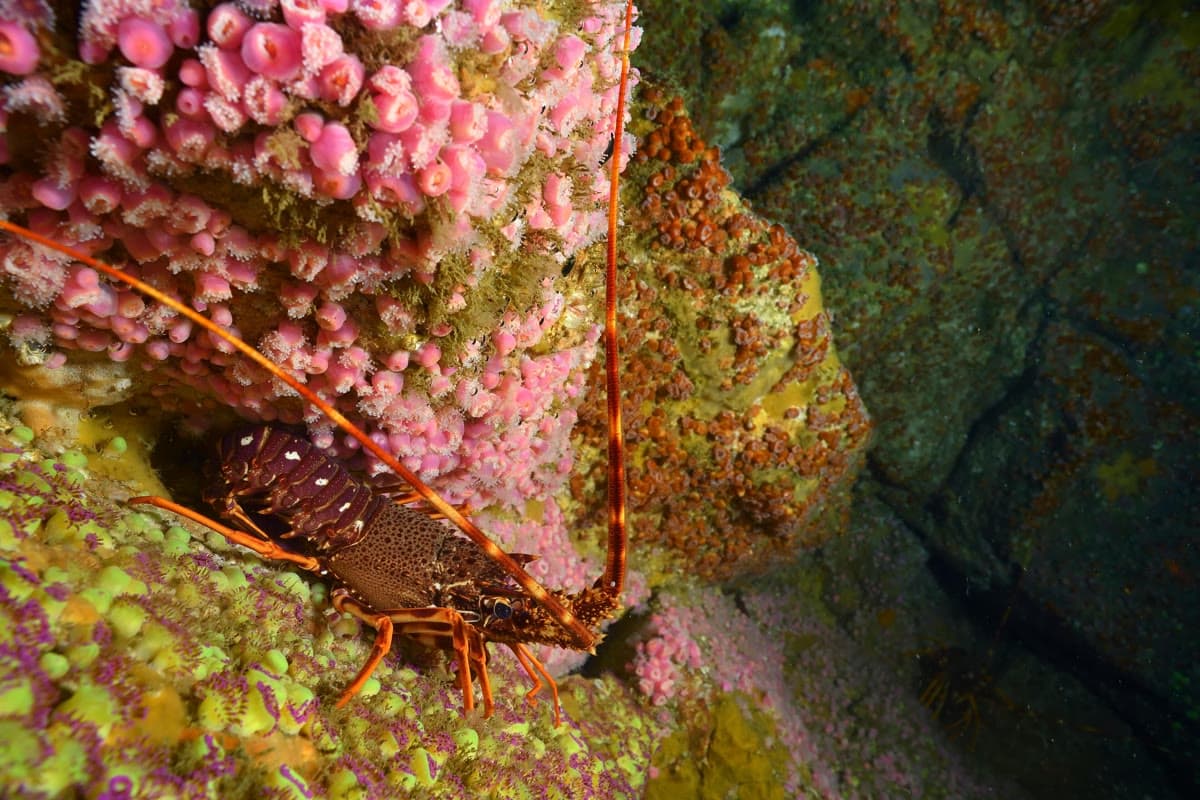
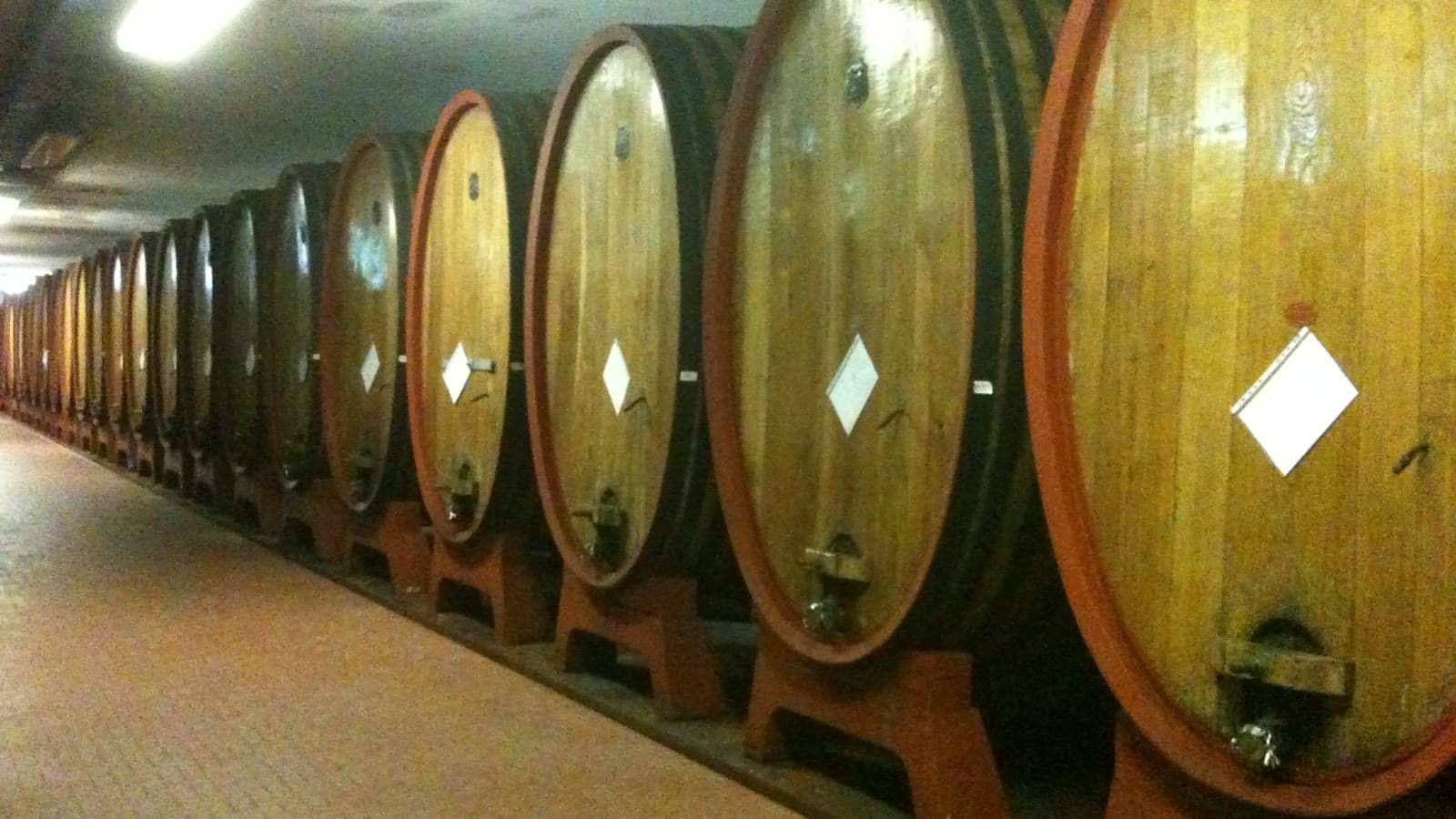
The bottle you will actually see most often is Aragosta — a Vermentino di Sardegna from the Santa Maria La Palma cooperative, first bottled in 1967 and named after the lobster on the plate. The line runs at around 2.7 million bottles a year, which makes the cooperative the largest producer of Sardinian Vermentino in Italy and puts the word Alghero on a label in a great many countries.
Two more names cover most cards. Vermentino is the island's white — sharp, saline, made for anything out of the sea — and in Gallura, in the north-east, it holds Sardinia's only DOCG. Cannonau is the red: genetically the same grape as Grenache and Garnacha, though whether it sailed from Spain to Sardinia or the other way round is not settled. Charred grape pips from Nuragic sites are around 3,200 years old, which is a long time before any Aragonese ship.
Alghero's other red is Cagnulari, and it very nearly did not survive: growers pulled it out from the sixties in favour of varieties that yielded more, until Giovanni Maria Cherchi began replanting it at Usini, half an hour inland, in 1970. It is markedly tannic, harder to grow than most Sardinian grapes, and made in small quantities. Sweeter and stranger is Sella & Mosca's Anghelu Ruju, a fortified Cannonau named after the necropolis the estate uncovered in its own vineyard — somewhere between a wine and a dessert.